
Discover what predictive maintenance (PdM) is, the main types of PdM technologies, how much PdM can save businesses, and why it’s critical for insurance companies to reduce risks and claims.
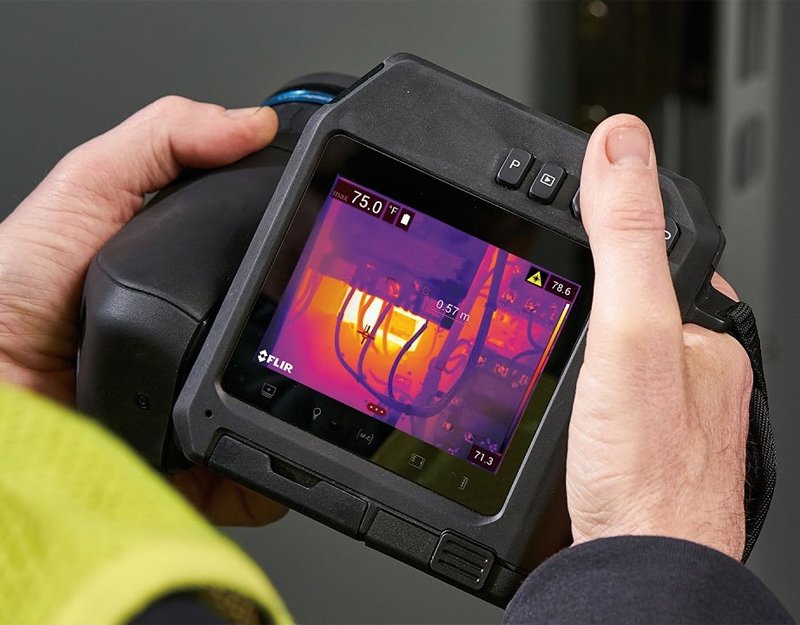
Predictive Maintenance (PdM) is a data-driven maintenance strategy that uses sensors, condition monitoring, and analytics to detect equipment issues before they lead to failure. Unlike reactive maintenance (fixing after breakdowns) or preventive maintenance (scheduled servicing), PdM pinpoints the optimal time for intervention, lowering costs and extending asset life.
By predicting failures in advance, PdM reduces downtime, improves safety, and minimizes unexpected repair expenses – making it a vital tool for industries and insurance companies alike.
Different PdM techniques are applied depending on the type of equipment and industry. The most common include:
The financial benefits of PdM are well-documented. Industry data shows that organizations can achieve:
Insurance companies benefit directly from PdM adoption because it reduces the frequency and severity of claims. Equipment failures often lead to fires, production stoppages, or costly damages – risks that PdM helps mitigate.
Key insurance benefits include:
Some insurers report up to 40% fewer claims for clients using PdM tools like infrared thermography and vibration analysis.
Predictive Maintenance is more than a maintenance strategy – it’s a business continuity and risk management tool. By detecting issues before they escalate, companies save money, extend asset life, and protect their workforce. For insurers, PdM represents a tangible way to reduce payouts, improve client safety, and encourage proactive risk management.
In today’s competitive and risk-conscious environment, PdM is not just a best practice – it is becoming an industry standard.
Need infrared imaging services? Contact THERMOInspect for expert services with advanced laser and infrared diagnostic tools.